A good horse barn should make daily care easier, not more complicated. For property owners looking at horse barns in Katy, the smartest starting point is not the roofline or the paint color, but the way the barn will be used every day. Competitor planning guides consistently focus on future use, layout, storage, and the details that keep the barn useful as needs change over time.
That is the real difference between a barn that looks finished and one that actually works. The best plans account for horses, handlers, equipment, and expansion before construction begins, so the finished structure supports both comfort and long-term function.
What a Well-Planned Barn Has to Solve First?
A strong custom horse barns plan starts with the basics: how many horses you have, how much storage you need, and how the barn should support your daily routine. One competitor guide stresses that buyers should think about today’s use and where the barn should still work in 10 or 20 years, while another recommends planning stall sizes, aisles, workspaces, and storage together instead of treating them as separate decisions.
That means planning for more than stalls alone. Feed, tack, bedding, cleaning supplies, and future changes in herd size all affect the final layout. It also means thinking ahead about whether you may want removable stall partitions, extra storage, or room for expansion later.
The Planning Steps That Make the Build Work
Step 1: Define how the barn will be used
Start with the horses you have now, then think about what may change later. Could the barn support more horses, different breeds, or new uses in the future? That same forward-thinking approach shows up again and again in competitor planning guides because it keeps the design flexible instead of boxed in.
Step 2: Map the interior before anything is built
A horse pole barn should be laid out around movement, storage, and safety. Aisles need to be wide enough to work in comfortably, stalls should fit the horses properly, and areas like tack rooms and feed rooms should be close enough to support daily tasks without creating clutter. Competitor sources also point out that safe access, multiple exits, and non-slip flooring are part of a practical barn plan.
Step 3: Plan airflow and light with the horses in mind
Good ventilation is not optional in a horse barn. Extension guidance recommends continuous air openings, fresh air delivery to each stall, and eave or ridge ventilation so air can move through the structure without creating harsh drafts at horse level. That kind of airflow helps support a healthier stable environment, especially in enclosed or center-aisle layouts.
Step 4: Decide where storage and utilities belong
A practical barn has space for tack, feed, cleaning supplies, hay, bedding, and utilities. One planning guide even recommends separating certain supplies, especially flammable materials like hay and bedding, from the main barn when possible. That keeps the working areas cleaner, safer, and easier to manage.
Why the Right Layout Pays Off Later?
A skilled horse barn builder knows that the best barn is the one that keeps daily work simple. When the layout is planned well, you save steps, reduce clutter, and make it easier to care for horses without wasting time or space.
Competitor guides repeatedly stress layout efficiency, safe movement, and the value of designing around real daily use rather than appearance alone. These are the main gains that come from planning carefully:
- Safer movement for horses and people
- Better storage for feed, tack, and supplies
- More usable space for daily tasks
- A barn that can adapt as needs change
Why Danielson Construction Is a Strong Choice?
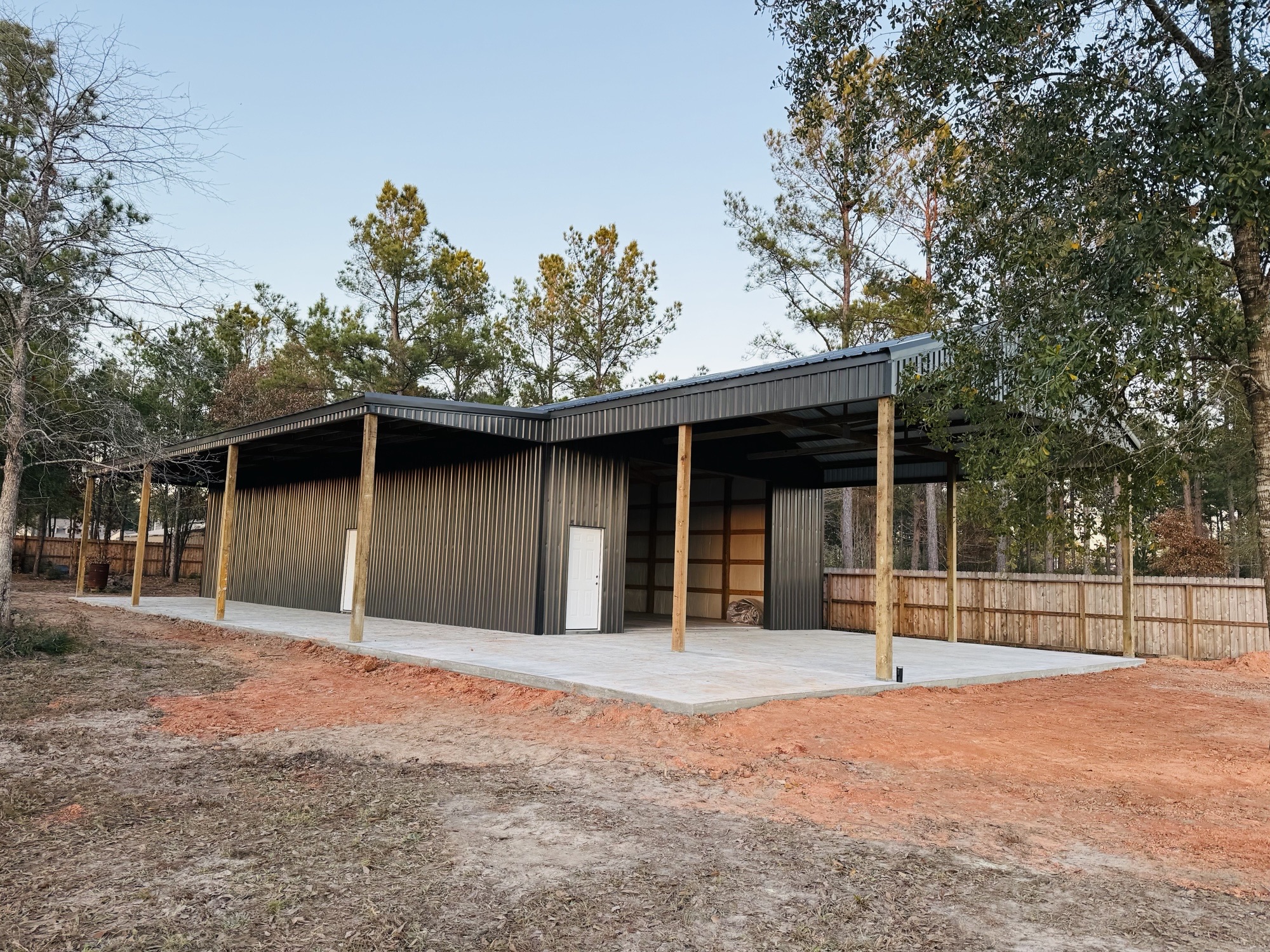
Danielson Construction’s service page says its horse barns are custom metal and wood frame builds with ventilated stalls, tack rooms, and feed storage areas, which matches the practical features that matter most in a well-planned barn.
Their site also places horse barns alongside other durable builds and shows service coverage in locations including Katy, which fits the needs of property owners looking for a local, experienced team.
FAQs
What should be planned first in a horse barn project?
Start with how the barn will be used, then plan the layout, storage, and future expansion needs around that.
Why is ventilation so important in horse barns?
Good airflow helps move fresh air through stalls and reduces the chance of a stuffy, unhealthy barn environment.
Should storage be built into the main barn?
Yes, but it should be planned carefully so tack, feed, and supplies have dedicated space without crowding the horses.
Conclusion
The best horse barn plans are the ones that make daily life easier from the start. When you plan for layout, storage, airflow, safety, and future use together, the finished barn becomes a structure that truly fits the property and the horses that live there.
That is the kind of planning that keeps paying off long after the build is done. Contact Danielson Construction today to start planning a horse barn that is built for comfort, function, and long-term use.