
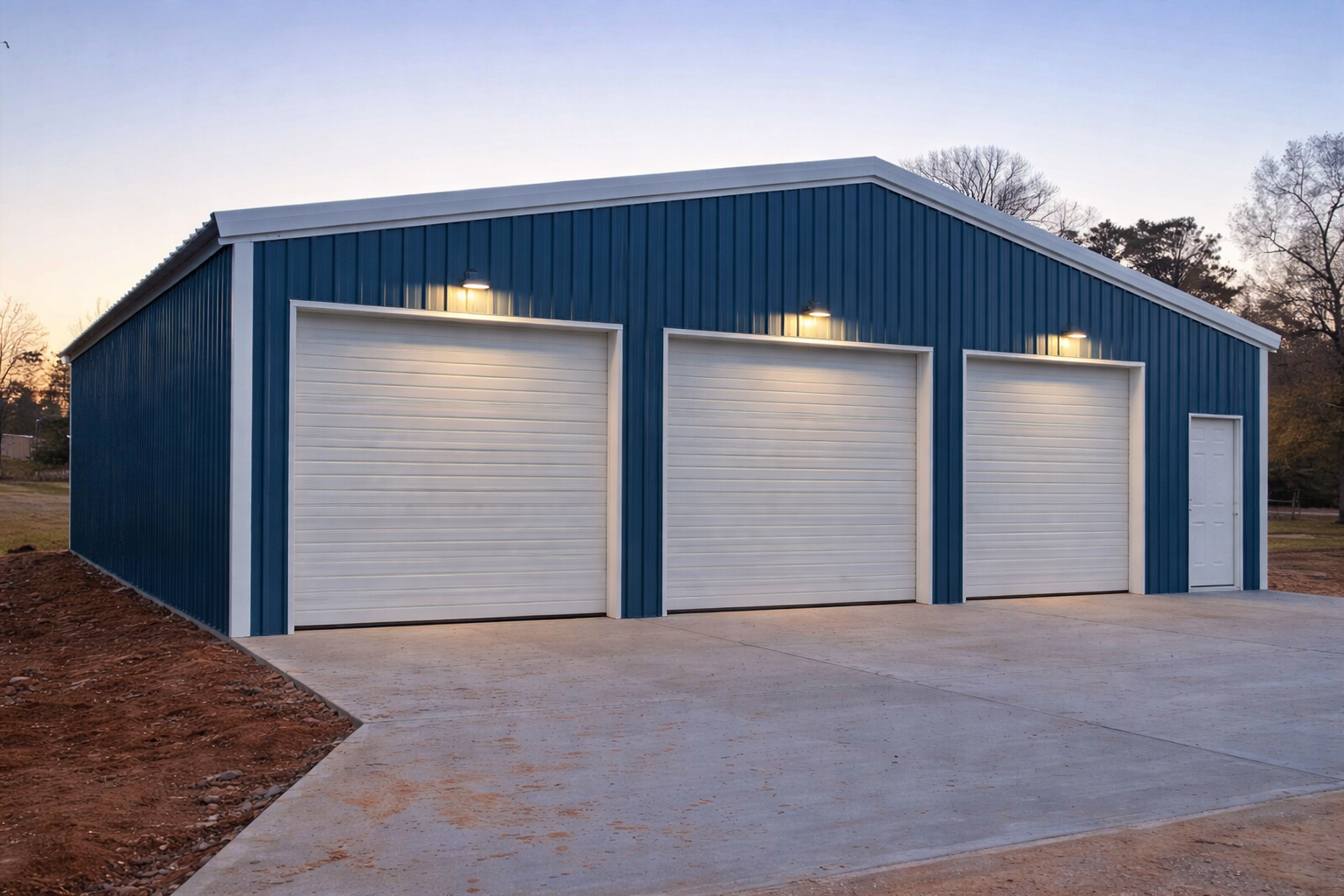
Planning a new garage is a big investment, but many homeowners rush the process. They focus on looks or short-term needs and forget about function, space, and future use. The result is often a garage that feels too small, costs more than expected, or doesn’t work the way it should.
A garage should add value, convenience, and flexibility to your property. Below are the most common planning mistakes homeowners make and how to avoid them before construction begins.
Mistake 1: Designing Only for Today’s Vehicles
One of the biggest mistakes is building a garage just large enough for current vehicles. Cars, trucks, and SUVs continue to get bigger, and families often add more vehicles over time.
A garage that barely fits today will feel cramped tomorrow. Planning for extra width, depth, and door clearance makes parking easier and allows room for future upgrades without needing costly changes later.
Mistake 2: Not Defining the Garage’s Purpose Early
Many homeowners don’t decide how the garage will actually be used until after it’s built. This leads to poor layouts and wasted space.
A garage often needs to support more than just parking, such as:
- Storage for tools and equipment
- A workshop or hobby area
- Lawn and outdoor equipment storage
- Seasonal items like decorations or sports gear
Defining these needs early helps shape the right size, layout, and access points for everyday use.
Mistake 3: Ignoring Site Layout and Drainage
Garage placement matters more than most people realize. Ignoring the slope of the land, driveway access, or drainage patterns can lead to long-term problems.
Poor placement may cause water pooling, awkward entry angles, or limited access during bad weather. Proper site planning ensures the garage fits naturally with the property and functions well year-round.
Mistake 4: Overlooking Local Codes and Setback Rules
Every area has building codes and zoning regulations that affect garage construction. Height limits, property setbacks, and foundation requirements can all impact the design.
Homeowners who don’t consider these rules early may be forced to redesign mid-project. Working with an experienced builder helps avoid delays and ensures the garage meets all local requirements from the start.
Mistake 5: Forgetting About Insulation and Ventilation
Garages are often exposed to extreme temperatures. Without proper insulation or airflow, they can become uncomfortable and even damage stored items.
If the garage will be used for storage, work, or hobbies, climate control should be part of the plan. Addressing insulation and ventilation during design is far easier than fixing issues after construction.
Mistake 6: Choosing Materials Based Only on Price
Going with the cheapest materials may seem like a smart move, but it often leads to higher maintenance costs down the road. Low-quality materials wear out faster and may not hold up to daily use or weather exposure.
A garage should be built with durability in mind. Choosing materials that balance cost and longevity helps protect your investment long-term.
Mistake 7: Not Planning for Future Expansion
Many homeowners wish they had added more space once the garage is finished. Storage needs grow, and uses change over time. Planning for future expansion, even if it’s not built right away, allows for easier upgrades later without major reconstruction.
Conclusion
A well-planned garage does more than store vehicles. It improves daily life and adds lasting value to your home. Avoiding these common mistakes starts with clear planning, smart design choices, and experienced guidance. If you’re considering a new garage, Danielson Construction can help you plan and build a space that works today and for years to come.